
Since the dust collection system is integrated with the asphalt plant, the operator is required to be aware with the controls and maintenance standards. The operator is also supposed to be aware of how the dust collector system performance affects the properties of the hot mix asphalt.
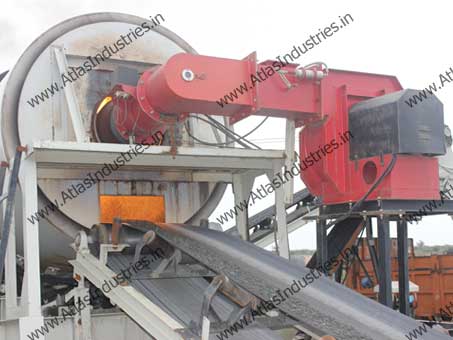
Dust from the aggregates can also be reason for air pollution. Dust emissions can be kept under control by use of anti pollution equipments. The common types of dust collectors that are used to capture dust are multi cyclone dry dust collector; venture type wet dust collector and bag house. Mostly two or more of these pollution control devices may be used in sequence.
Maintenance and cleaning of the duct line connecting the dryer and the dry dust collector is as important as maintaining the pollution control systems.
This is very important as clogging will not deliver good results. Usually the duct line can be inspected every month but if the dust is more, it has to be done frequently.
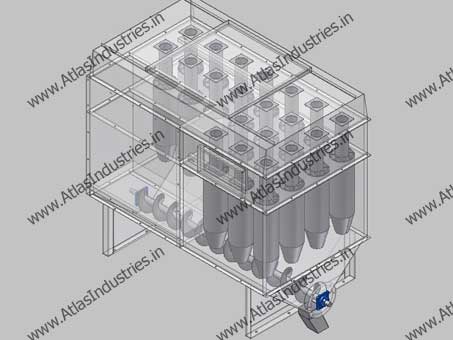
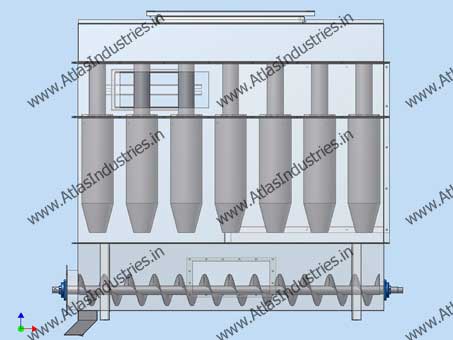
The larger particles here hit the wall while being treated to the cyclonic effect and fall below. All the larger particles which are collected below the dry dust collector are removed by a screw conveyor to be reused or wasted.
Dry dust collectors are used in combination with either venture type dust collectors or bag house filter. Maintenance and cleaning of dry dust collector has to be done every month or less if the dust is more.
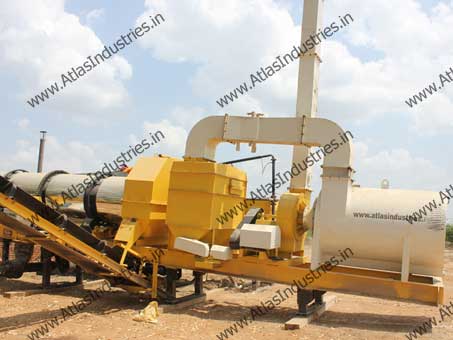
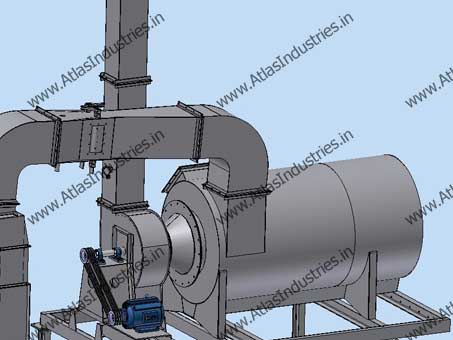
The water is then collected into a sludge pond which has to be periodically cleaned. The wet dust collector has to be periodically cleaned and inspected so that water flows freely. Water spray nozzles have to be regularly cleaned for clogging and to ensure smooth operation.
The filter bag accumulates the particles as the gas passes through the bags. This will, over a period of time, result in accumulation of dust which will require periodic cleaning or it can stop the flow of gas form the chamber. Dust collected can be wasted or reused.
Video of counterflow asphalt plant – double drum plant showing the efficiency of venturi.
More Resources:
