
A construction project should invest in a modern concrete batching plant when it requires consistent concrete quality, high production capacity, reduced material waste, faster project completion, and better cost control. Modern batching plants automate the mixing process, improve accuracy, minimize downtime, and support projects ranging from commercial buildings to highways, bridges, airports, and industrial developments.
Key indicators include the following:
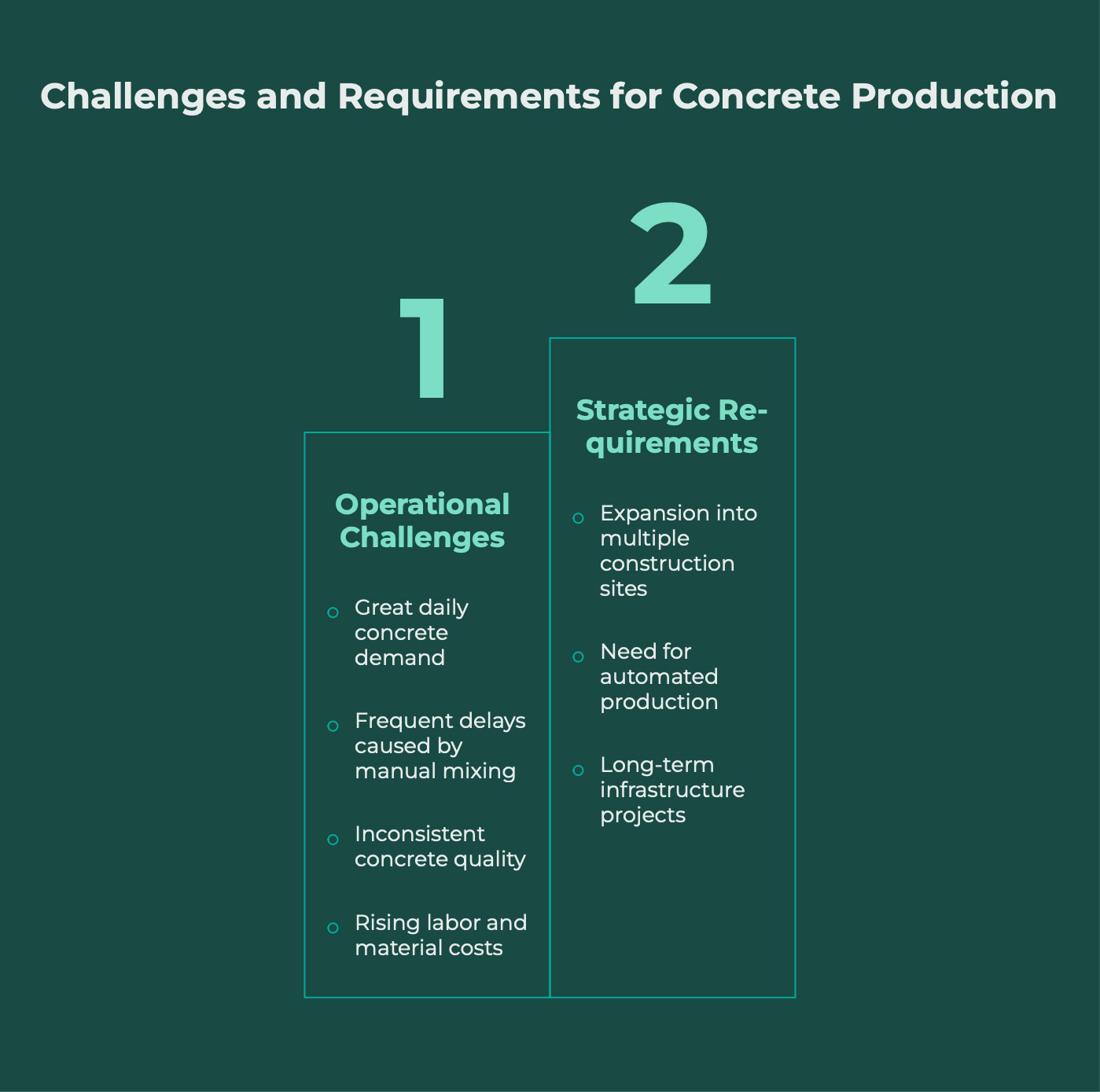
- Great daily concrete demand
- Frequent delays caused by manual mixing
- Inconsistent concrete quality
- Rising labor and material costs
- Expansion into multiple construction sites
- Need for automated production
- Long-term infrastructure projects
A modern batching plant delivers higher productivity, reliable performance, and better return on investment for construction businesses.
Introduction
Construction projects today demand speed, precision, and consistent quality. Whether you are building residential complexes, highways, airports, industrial facilities, or commercial buildings, producing high-quality concrete efficiently can determine the success of your project. A modern concrete batching plant helps contractors automate concrete production while reducing waste, improving accuracy, and lowering operating costs.
Choosing the right Concrete Batching Plant Manufacturer and a trusted Concrete Batching Plant Supplier ensures your equipment performs reliably for years while supporting projects of every scale. This guide explains seven important signs that indicate your construction project is ready for a modern batching plant and why upgrading your production system can improve efficiency and profitability.
1. Your Project Requires Large Volumes of Concrete Every Day
One of the biggest signs is the need for continuous concrete production. Large infrastructure projects often require hundreds of cubic meters of concrete daily. Manual mixing or small mixers cannot keep pace with such demand.
A modern batching plant provides the following:
- High production capacity
- Continuous concrete supply
- Accurate ingredient measurement
- Reduced project delays
- Faster construction schedules
Whether you’re working on highways, flyovers, metro projects, or industrial developments, automated batching keeps operations running smoothly.
2. Concrete Quality Is Inconsistent
Poor concrete consistency affects structural strength and increases repair costs.
Modern batching plants use computerized controls to accurately measure the following:
- Cement
- Sand
- Aggregates
- Water
- Admixtures
This automation eliminates human error and ensures every batch meets required specifications. A ready-mix concrete batching plant is especially valuable for projects requiring strict quality standards and uninterrupted concrete delivery.
3. Material Waste Is Increasing
Construction materials represent a significant portion of project costs.
If your project experiences:
- Cement wastage
- Aggregate losses
- Incorrect water ratios
- Frequent rejected batches
It may be time to invest in modern batching technology. Automated weighing systems help optimize material usage while reducing unnecessary expenses. Lower waste also contributes to more sustainable construction practices.
4. Your Construction Timeline Keeps Getting Delayed
Time is one of the most valuable resources in construction.
Manual concrete production often creates bottlenecks because
- Mixing takes longer
- Material loading is slower
- Quality checks require rework
- Equipment downtime interrupts production
Modern batching plants automate the complete process, allowing continuous production throughout the workday.
This leads to:
- Faster project completion
- Better workforce utilization
- Higher equipment productivity
- Improved customer satisfaction
5. You Need Flexibility Across Multiple Job Sites
Many contractors handle several projects simultaneously. In such cases, a Mobile Concrete Batching Plant offers significant advantages.
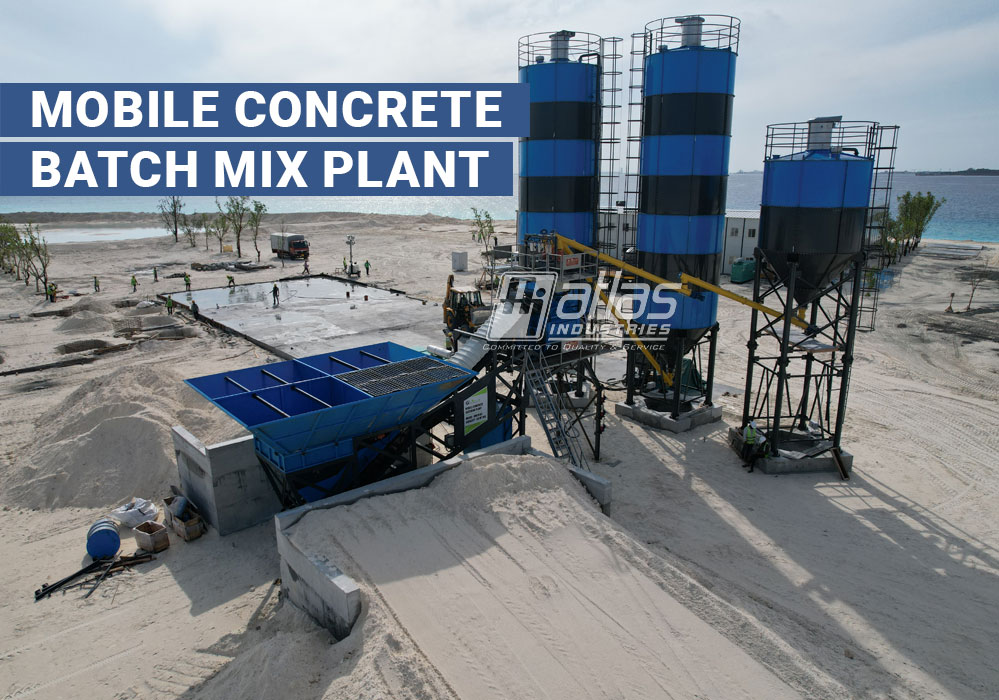
Benefits include:
- Easy transportation
- Quick installation
- Fast relocation
- Reduced setup time
- Lower transportation costs for concrete
For projects spread across different locations, mobility provides greater operational flexibility while maintaining production quality.
6. Your Project Demands Long-Term, High-Capacity Production
Large manufacturing facilities, airports, dams, ports, and expressway projects often operate for several years. A Stationary Concrete Batching Plant becomes the ideal solution because it offers:
- Higher production capacity
- Better automation
- Long operational life
- Lower maintenance costs
- Continuous heavy-duty performance
Stationary systems are designed for maximum efficiency when concrete demand remains consistently high.
7. Rising Operating Costs Are Reducing Your Profit Margins
Increasing labor expenses, fuel costs, and material prices make efficient production more important than ever. Modern batching plants help reduce costs through the following:
- Automated operations
- Lower labor requirements
- Accurate batching
- Reduced maintenance
- Higher production efficiency
- Less material waste
Although many buyers initially compare concrete batch plant prices, the overall operating cost and return on investment are much more important than the purchase price alone.
Choosing reliable equipment can generate significant long-term savings.
What Should You Consider Before Buying a Concrete Batching Plant?
Before investing, evaluate the following:
- Daily production requirements
- Project duration
- Site location
- Available installation space
- Level of automation
- Future expansion plans
- After-sales service
- Spare parts availability
- Power consumption
- Local regulations
Working with an experienced Concrete Batching Plant Export Company helps international buyers receive equipment that complies with regional requirements while ensuring dependable logistics and technical support.
Why Equipment Quality Matters
The performance of any batching plant depends heavily on the quality of its components. Reliable Concrete Batching Plant Equipment improves:
- Production accuracy
- Plant reliability
- Operational safety
- Maintenance efficiency
- Equipment lifespan
Likewise, a durable Concrete Batching Plant Machine equipped with modern control systems ensures uninterrupted operation even in demanding construction environments. High-quality equipment minimizes downtime and improves project profitability.
Get a Free Batching Plant Consultation
Choosing the Right Manufacturing Partner
Selecting the right manufacturing partner is as important as choosing the plant itself.
A trusted company offers:
- Engineering expertise
- Customized solutions
- Global export experience
- Installation support
- Operator training
- Spare parts availability
- Technical assistance
Atlas Industries is a recognized manufacturer of reliable batching solutions for infrastructure and commercial construction projects in multiple international markets. With a strong focus on quality, innovation, and customer support, Atlas Industries continues to help contractors improve productivity through advanced concrete batching technology.
Conclusion
A modern concrete batching plant is more than just production equipment; it is a long-term investment that improves quality, productivity, and profitability. If your construction projects involve increasing concrete demand, inconsistent quality, rising operational costs, or expanding infrastructure work, upgrading to an automated batching plant can provide measurable business benefits. Evaluating your production requirements, selecting the right plant type, and partnering with an experienced manufacturer will help ensure reliable performance for years to come.
Frequently Asked Questions
Q1. What is a concrete batching plant?
A1. A concrete batching plant is an automated equipment that measures, mixes, and produces concrete using cement, aggregates, water, and admixtures with consistent quality.
Q2. When should I choose a mobile concrete batching plant?
A2. A mobile concrete batching plant is ideal for contractors managing multiple projects or construction sites that require frequent relocation.
Q3. When is a stationary concrete batching plant the better choice?
A3. A stationary concrete batching plant is recommended for large infrastructure projects requiring continuous, high-volume concrete production over a long period.
Q4. How do I choose the right concrete batching plant manufacturer?
A4. Look for manufacturing experience, production quality, automation technology, after-sales support, spare parts availability, and export expertise.
Q5. Does concrete batch plant price determine overall value?
A5. No. While the initial price is important, long-term operating costs, maintenance, production efficiency, and equipment reliability provide a better measure of overall value.
