
Choosing the right Wet Mix Plant depends on your project size, production capacity, mobility requirements, automation level, and long-term operating costs. A quality wet mix plant ensures accurate aggregate mixing, consistent output, lower material waste, and faster road construction.
Key Factors to Consider
- Production capacity (TPH)
- Project type and duration
- Mobile or stationary configuration
- Automation and control system
- Build quality and component durability
- Ease of maintenance
- Spare parts availability
- After-sales service
- Energy efficiency
- Manufacturer’s experience and export support
Selecting a reliable plant helps improve productivity, reduce operating costs, and deliver high-quality road base material for infrastructure projects.
Introduction
Road construction projects continue to grow worldwide, making efficiency and quality more important than ever. Whether you’re building highways, expressways, airports, industrial roads, or urban infrastructure, investing in the right Wet Mix Plants can significantly improve productivity while reducing construction costs. A high-performance wet mix plant produces accurately mixed aggregates with controlled moisture content, ensuring a durable and stable road base.
However, selecting the right equipment requires careful evaluation of production capacity, automation, mobility, operating costs, and long-term service support. Working with an experienced wet mix plant manufacturer, trusted wet mix plants supplier, and reliable export partner helps contractors make confident investment decisions. This buyer’s guide explains everything you need to know before purchasing a wet mix plant in 2026.
What Is a Wet Mix Plant?
A wet mix plant is specialized road construction equipment designed to mix aggregates with water in precise proportions to produce Wet Mix Macadam (WMM), which forms the base layer of roads.
The plant automates the entire mixing process to ensure the following:
- Uniform aggregate blending
- Controlled moisture levels
- High production capacity
- Continuous material supply
- Consistent quality
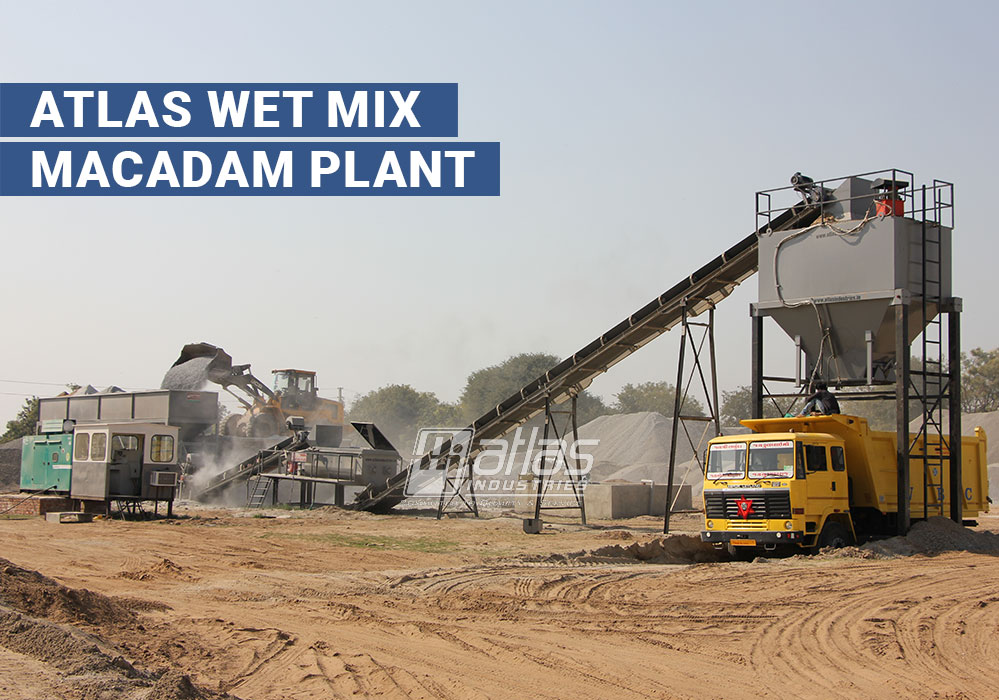
Wet mix plants are widely used in the following:
- Highway construction
- Expressways
- Airport runways
- Industrial roads
- Smart city infrastructure
- Rural road development
Why Wet Mix Plants Are Essential in 2026
Modern construction projects demand speed, accuracy, and cost efficiency.
Compared to traditional mixing methods, modern wet mix plants provide the following:
- Faster production
- Better material consistency
- Reduced labor requirements
- Lower material wastage
- Improved project timelines
- Higher profitability
With increasing infrastructure investments worldwide, automated wet mix plants have become an essential part of road construction operations.
Types of Wet Mix Plants
Mobile Wet Mix Plant
A Mobile Wet Mix Plant is designed for contractors working across multiple job sites.
Advantages include:
- Easy transportation
- Quick installation
- Faster relocation
- Reduced setup costs
- Flexible project management
Mobile systems are ideal for contractors handling road construction in different locations. Atlas recently exported a 160 tph mobile soil stabilization plant to a customer in Nigeria.
Stationary Wet Mix Plant
Stationary plants are suitable for long-term projects with high production demands.
Benefits include:
- Higher production capacity
- Continuous operation
- Better stability
- Lower maintenance
- Long service life
These plants are commonly used for highways, airports, and large infrastructure developments.
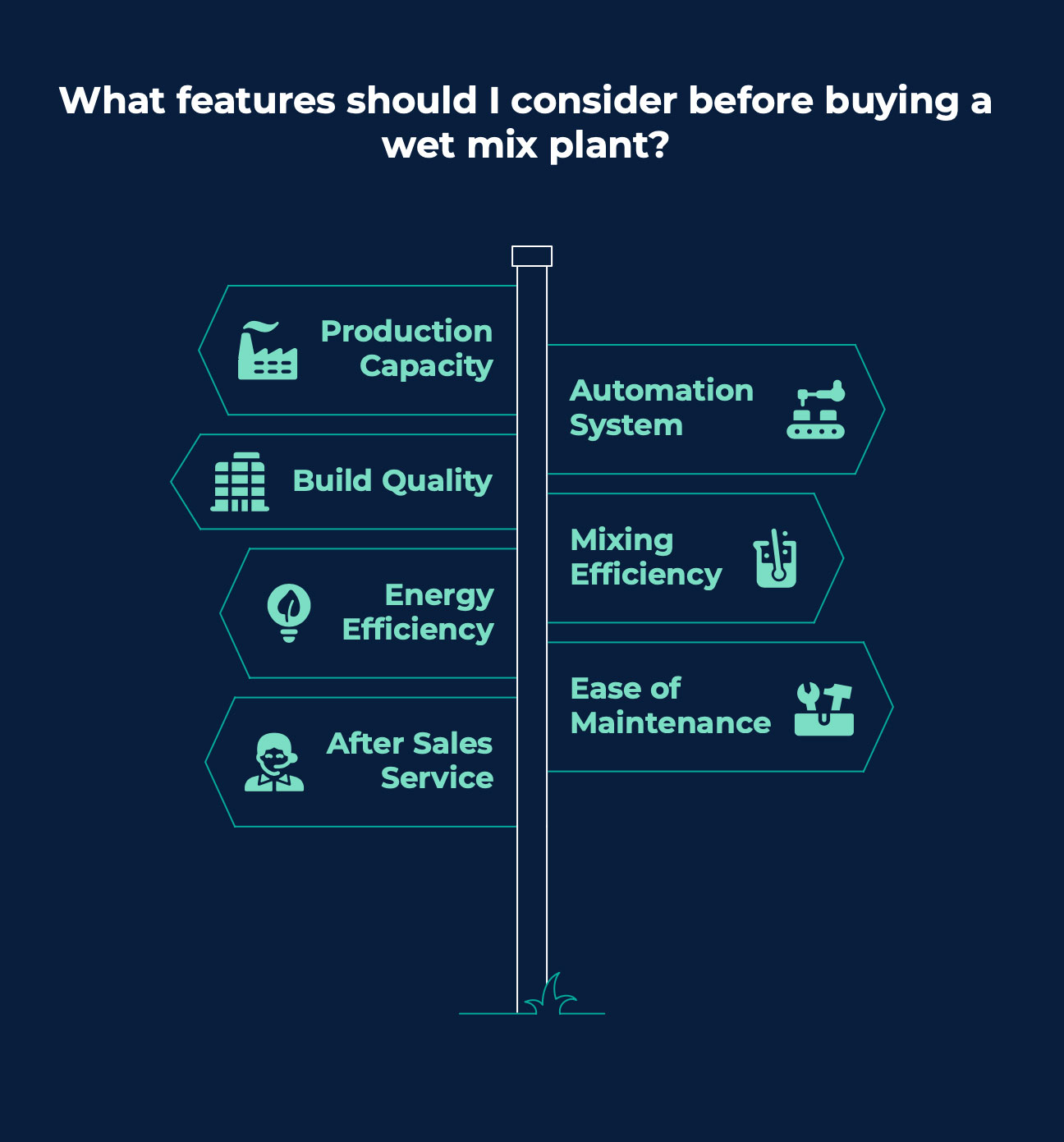
Key Features to Look for Before Buying
Before purchasing a wet mix plant, evaluate the following features carefully.
Production Capacity
Choose a plant capable of meeting your daily production requirements without creating bottlenecks.
Automation System
Modern controlled systems improve the following:
- Mixing accuracy
- Material measurement
- Production monitoring
- Operator convenience
Automation also reduces human error.
Build Quality
Heavy-duty steel construction increases durability and minimizes maintenance requirements.
Mixing Efficiency
Efficient mixing ensures every batch maintains the required quality.
Energy Efficiency
Lower fuel and electricity consumption reduce overall operating costs.
Ease of Maintenance
Simple maintenance procedures reduce downtime and improve equipment availability.
After-sales service and support
After-sales service and support play a very important role in determining the success of a machine. It has to be supported by a reputed manufacturer offering satisfactory service.
Factors That Influence Buying Decisions
Several practical considerations should guide your investment.
Project Size
Small contractors may prefer mobile plants. Large infrastructure companies often require stationary systems with higher capacities.
Budget
Instead of focusing only on purchase cost, consider:
- Operating expenses
- Fuel efficiency
- Maintenance costs
- Productivity gains
- Equipment lifespan
The lowest purchase price does not always deliver the best long-term value.
Site Conditions
Evaluate:
- Available installation space
- Accessibility
- Material storage
- Power supply
- Transportation logistics
Choosing the Right Wet Mix Plant Manufacturer
Selecting an experienced wet mix plant manufacturer is one of the most important decisions. A reliable manufacturer should provide the following:
- Strong engineering expertise
- Proven manufacturing quality
- Modern automation technology
- Installation assistance
- Operator training
- Technical support
- Spare parts availability
- Global export capability
Choosing the right manufacturing partner reduces operational risks and improves long-term productivity.
Why Export Experience Matters
If you’re purchasing equipment internationally, work with an experienced Wet Mix Plant Export Company.
A trusted exporter offers:
- Export documentation
- International quality standards
- Shipping coordination
- Installation guidance
- Technical support
- Spare parts supply
Reliable export experience ensures smooth delivery and faster project commissioning.
Applications of Wet Mix Plants
Modern wet mix plants are used in numerous infrastructure sectors.
Common applications include:
- National highways
- State highways
- Airport pavements
- Industrial parks
- Residential township roads
- Mining roads
- Smart city developments
- Commercial infrastructure
A quality Wet Mix Plant for Road Construction improves project speed while producing a strong and durable road foundation.
Common Mistakes Buyers Should Avoid
Many equipment buyers make avoidable mistakes.
Avoid:
- Choosing equipment based only on price
- Ignoring production capacity
- Purchasing without evaluating after-sales support
- Selecting poor-quality components
- Overlooking maintenance requirements
- Ignoring future expansion needs
- Choosing inexperienced suppliers
Careful planning results in higher productivity and better returns.
How to Maximize Return on Investment
To get the best performance from your wet mix plant:
- Schedule preventive maintenance
- Train plant operators
- Use quality aggregates
- Maintain spare parts inventory
- Follow manufacturer recommendations
- Inspect wear components regularly
- Hire an operator who will understand and maintain the machine
Proper maintenance significantly increases equipment lifespan.
Find the Best Wet Mix Plant Today
Choosing the Right Partner
Working with a dependable wet mix plant supplier ensures reliable equipment performance throughout the project life cycle.
An experienced supplier provides the following:
- Technical consultation
- Customized plant configurations
- Fast spare parts support
- Installation assistance
- Operator training
- Responsive after-sales service
For international buyers, selecting a trusted wet mix plant exporter simplifies procurement while ensuring dependable product quality and timely delivery. Atlas Industries has built a strong reputation by manufacturing reliable road construction equipment designed to meet the needs of contractors and infrastructure developers worldwide. With a focus on engineering excellence, product quality, and customer support, Atlas Industries continues to provide advanced wet mix plant solutions for domestic and international markets.
Conclusion
Investing in the right wet mix plant is a strategic decision that directly impacts construction quality, project timelines, and long-term profitability. By evaluating production capacity, automation, mobility, maintenance requirements, and after-sales support, contractors can confidently select equipment that delivers reliable performance for years to come.
Whether your project requires a mobile or stationary configuration, choosing a quality wet mix plant from an experienced manufacturer ensures better efficiency, lower operating costs, and consistent road construction results.
Frequently Asked Questions
Q1. What is a wet mix plant used for?
A1. A wet mix plant is used to mix aggregates and water uniformly to produce Wet Mix Macadam for road base construction.
Q2. When should I choose a Mobile Wet Mix Plant?
A2. A Mobile Wet Mix Plant is ideal for contractors managing multiple construction sites that require quick relocation and easy installation.
Q3. How do I choose the best wet mix plants manufacturer?
A3. Look for manufacturing experience, automation technology, product quality, export capability, spare parts availability, and dependable after-sales support.
Q4. Why is a Wet Mix Plant Export Company important?
A4. An experienced Wet Mix Plant Export Company helps international buyers with documentation, shipping, installation support, and technical assistance.
Q5. Why are wet mix plants important for road construction?
A5. Wet mix plants produce consistent, high-quality aggregate mixtures that improve road durability, construction speed, and overall project efficiency.
